Showing posts with label Dependence. Show all posts

Friday, September 26, 2014

Economics of Drinking

Pareto Law is a little known principle applicable to multiple disciplines. It is better known as the 80-20 rule: 80% of the effects comes from 20% of causes, or 20% of workers in an organization perform 80% of the work. 

What does this have to do with alcohol consumption? Everything, of course. 20% of Americans consume 80% of alcohol sold in the U.S. 

Check out this graphic.

Shockingly, 10% of Americans (24 million people over the age of 18) drink over 50% of all alcohol consumed in America. That averages out to 10 drinks per day or nearly 74 drinks a week (2 bottles of wine a day, or 18 bottles of wine or three 24-cases of beer per week).

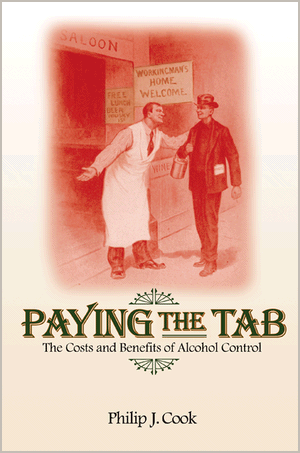
These statistics are from Paying the Tab: The Costs and Benefits of Alcohol Control by Philip Cook, a professor of Public Policy at Duke. And, I have not read the book yet.

Here are some more fascinating bits from the book which used data from a national survey that took place between 2001 and 2005: 
  • 30% of Americans don't drink at all. 
  • 30% of Americans drink at least one drink a day 
  • 20% drink at least two a day. (BTW, low-risk or moderate drinking falls somewhere between the two.) 
And according to the CDC excessive drinking costs us $223.5 billion in 2006, or about $1.90
per drink.


Definitely more to come on this fascinating topic...


Monday, March 3, 2014

Does Cannabis Harm?

This morning like any other day began with NPR and a strong cup of coffee. I knew I had to share the piece on marijuana they aired earlier. 

Since Washington state this summer is to become the second state to legalize recreational use, (Colorado was the first, in case you haven't heard), we need to look at it more closely.

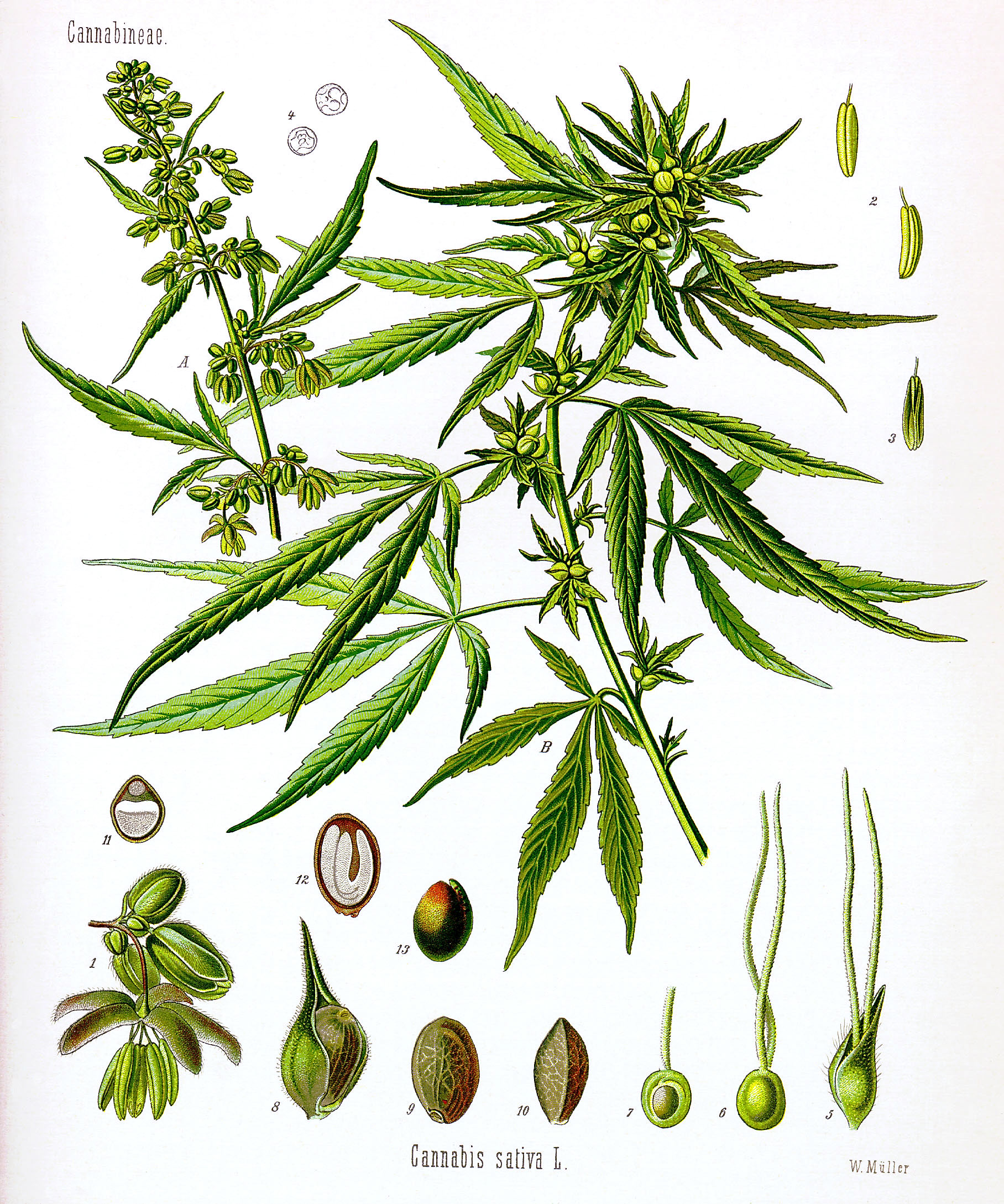
Wikimedia Commons
These are some of the interesting facts I gathered. I am sharing them here because it is something many of my clients struggle with. And it pertains not just to cannabis but to drugs and alcohol in general.
  • A typical pot smoker uses it moderately: 16 million Americans smoke a joint once a week.
  • The risk of pot smoking, according to researchers, is "getting hooked," or become dependent on it. The risk you take by smoking pot is that you might learn that you want to smoke it every day.
  • One in 9 is a habitual (daily) user of cannabis (2 million Americans):
"About 11 percent of marijuana users fits the definition of dependence – that is, their habit interferes with their life and they've been unable to cut back. That's lower than dependence number for heroin and other opioids (23 percent), cocaine (17 percent), cigarettes or alcohol (15 percent) or nicotine (32 percent)."
More research needs to be done to answer the following questions:

Once you get hooked, how do you get off it? How do we help the dependent user free themselves from the habit?

What are the long term effects on the lungs? Tobacco and cannabis share some of the toxic properties. Is pot hazardous as tobacco to pulmonary health?

What is the link between cannabis and schizophrenia? Those who have had a schizophrenic episode or come from a family with a history of schizophrenia are cautioned from use. Use alone is not going to cause schizophrenia, but it can be a trigger for people with genetic vulnerability. 

BTW, I have worked with cases in which just a single use of marijuana brought on a frightening and mysterious psychotic episode. In one particular case, thereafter, the user was afflicted with debilitating anxiety which seemed to have come from nowhere. 


*****

I want to part with these ideas:
  • Substance use alone isn't the problem. 
  • The issue is that we have no way of knowing how it's going to affect us. 
  • If you choose to use, become an educated user.
  • Know the risks. 
  • Develop self-awareness to recognize when it becomes a problem.

Wednesday, August 7, 2013

Who Are These Alcoholics?

Google “alcoholic pictures” and you will find that an alcoholic tends to be an unhappy adult white male who sits in the dark with his head in his hands. He is alone and depressed with only a bottle for company.


An alcoholic, defined clinically, is someone physically dependent on (addicted to) alcohol and unable to control how much they drink; alcoholic also has cravings and increased tolerance, and goes through withdrawal symptoms when alcohol leaves their system. Comparatively, a problem drinker, or an alcohol abuser, is someone psychologically dependent on alcohol but without the physical dependence (although a hang over is a collection of moderate withdrawal symptoms). For the problem drinker, the issue isn’t alcohol (because they can go without) but the reasons why they drink and what happens after they drink.

National Institute of Health and National Institute of Alcohol and Alcohol Abuse classified U.S. alcoholics into five subtypes. These results are from a 2007 national survey, and it is estimated 14 million Americans qualify as alcoholics.

Young Adult subtype: largest group in the U.S. with 31.5 percent of alcoholics. Low rate of mental illness, drug abuse and history alcoholism in their families. Least likely to seek out help.

Young Antisocial subtype: In their mind-twenties, 21 percent of U.S. alcoholics. Early onset of alcohol use and problems related to alcohol abuse. More than half from families with alcoholics. About half are diagnosed with Antisocial Personality Disorder. Many suffer from the trinity of mental illness (depression, bipolar disorder and anxiety problems). More than 75 percent smoke cigarettes and marijuana, and many have problems with cocaine and opiates. More than a third seek help.

Functional subtype: 19.5 percent of alcoholics. They are mostly middle-aged, well-educated, with stable jobs and families. Third have alcoholism in their family histories, a quarter had major depression at some point in their lives, and nearly half were smokers of tobacco.

Intermediate Familial subtype: 19 percent of American alcoholics, they are middle-aged and half withs familial history of alcoholism. Most smoked, half of them had clinical depression, and 20% have had bipolar disorder. Nearly 20% had problems with cocaine and marijuana. In this group only a quarter get treated.

Chronic subtype: 9 percent of U.S. alcoholics. Middle-aged; began drinking heavily at an early age. High rates of Antisocial Personality Disorder and criminality. Highest rate of mental illness (depression, bipolar disorder, anxiety disorder). High rates of smoking, marijuana, cocaine, and opioid dependence. 2/3 of the group get help (many of them to mandated to treatment making them the most prevalent type found in treatment.


Information, which I summarized here, comes from:

http://www.news-medical.net/news/2007/06/29/27074.aspx?page=2

http://www.alcoholic.org/research/alcoholism-statistics-and-information/


Are you an alcoholic? Find out here

In my practice I work to help problem drinkers with their emotional health, in addition to learning how to become a more mindful, moderate drinker.