Pareto Law is a little known principle applicable to multiple disciplines. It is better known as the 80-20 rule: 80% of the effects comes from 20% of causes, or 20% of workers in an organization perform 80% of the work.
What does this have to do with alcohol consumption? Everything, of course. 20% of Americans consume 80% of alcohol sold in the U.S.
Check out this graphic.
Shockingly, 10% of Americans (24 million people over the age of 18) drink over 50% of all alcohol consumed in America. That averages out to 10 drinks per day or nearly 74 drinks a week (2 bottles of wine a day, or 18 bottles of wine or three 24-cases of beer per week).
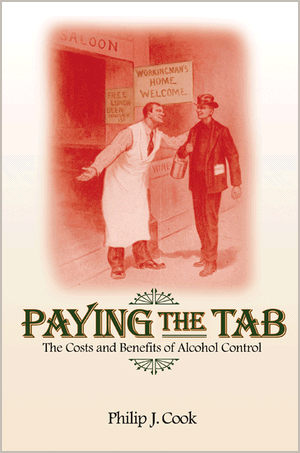
These statistics are from Paying the Tab: The Costs and Benefits of Alcohol Control by Philip Cook, a professor of Public Policy at Duke. And, I have not read the book yet.
Here are some more fascinating bits from the book which used data from a national survey that took place between 2001 and 2005:
- 30% of Americans don't drink at all.
- 30% of Americans drink at least one drink a day
- 20% drink at least two a day. (BTW, low-risk or moderate drinking falls somewhere between the two.)
And according to the CDC excessive drinking costs us $223.5 billion in 2006, or about $1.90
per drink.
Definitely more to come on this fascinating topic...
One of the first things I explore with my new clients is how they spend their day. The intended goal is to see what sort of structure or routine their days rest on.
Difficult and inevitable life changes (break-ups, unemployment, loss) activate situational or reactive depression or grief. It could be pass as sadness or become a full-on depressive episode. See Andrew Solomon's talk on depression.
For clients struggling with substance abuse instituting a new routine can help manage habitual mindless patterns of behaviors or rituals (after work drinks, weekend brunch drinks) that led to out-of-control use and consequent abuse and dependence.
I stress the importance of structure to one's day, and I stress exercise, journaling, and some sort of a mindfulness practice (yoga included).
Regular physical exercise should be a part of every one's life. Physical exercise a win/win proposition, just as smoking is a lose/lose.
https://www.flickr.com/photos/sinkat0864/
This post is about running, and it is my primary form of exercise. Like so many things in life, it has its own set of challenges and pleasures: It's time consuming and commitment; you sweat more and that means breakouts; it hurts; it's hard to run when it's cold, windy, hot, rainy, or when you don't feel like it; and laundry that require immediate attention.
However, after a few miles when you get your bearings (doesn't happen all the time), your breathing and legs sync up, and you realize you are mere physical matter cutting through space. You get in that headspace one strives for in meditation. Your thoughts recede behind a veil that alternate between euphoria and pain. You are just your body. For this reason, running is referred as meditation in motion.
After running a substantial distance, after the chocolate milk and mandatory stretching and shower, you feel clear headed, calm, energized. Your sleep improves, you easily fall into a deep, satisfying sleep. In addition, as your body grows stronger, leaner and gains stamina, so does your sense of confidence in knowing that you can endure temporary pain and meet goals which at one point in time unimaginable.
Just don't take my word for it. The Times runs many pieces on benefits of running (and many tedious pieces about it too). And there was this: a personal essay on long distance running and how it helped the writer deal with life's harshest emotional challenges.
And she mentions Haruki Murakami's book What I Talk About When I Talk About Running, which helped me transition from a fitness runner to a more "serious" runner.
I will end this rather long-winded blog with my favorite quote from the book (as does the author of the Times piece):
“Pain is inevitable. Suffering is optional.” ― Haruki Murakami, What I Talk About When I Talk About Running